
A Specification-Led Reading Guide
GCL Manufacturing Process: Where to Start
Understanding the GCL manufacturing sequence makes equipment discussions more useful. This archive follows the production path from geotextile unwinding and bentonite distribution through reinforcement and finished-roll handling. It groups the process overview with articles on needle punching, alternative bonding structures, control systems and distribution consistency so buyers can examine how the proposed line is intended to work as a system.
Start with the manufacturing-process guide, then compare needle-punched and stitch-bonded constructions before discussing machine configuration. The needle-punching and needle-density articles help frame questions about reinforcement settings and their relationship to the intended product. The bentonite-distribution guide brings attention to feeding, calibration and production records. These readings support a process review; they do not establish one setting that is suitable for every fabric and bentonite combination.
The control-system article adds a view of recipes, diagnostics and recorded operating information. During supplier evaluation, ask how settings are documented, how material changes are handled and what checks are made before finished rolls are released. Link each requested equipment feature to a production task and a verification step. That approach keeps the discussion focused on repeatable manufacturing and operational handover rather than treating automation labels or an isolated needle-punching specification as proof of finished-product quality.
Related Articles: GCL Manufacturing Process
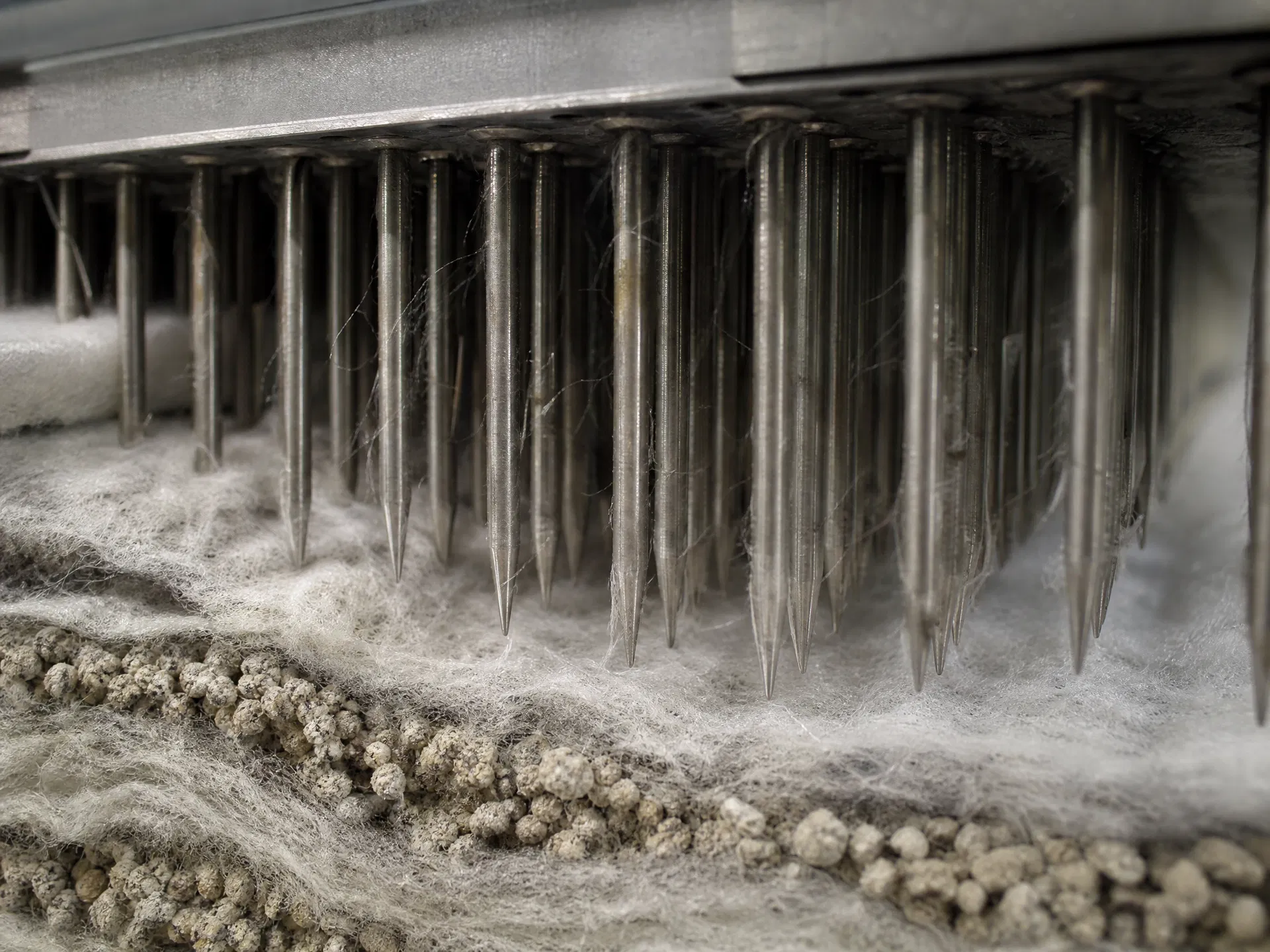
Needle-Punching Technology in GCL Manufacturing: How Machine Quality Affects Product Performance
The needle-punching process is the core technology in GCL manufacturing. This technical article explains how the key parameters of the needle-punching process affect GCL product quality, and what to look for when evaluating a GCL production line.
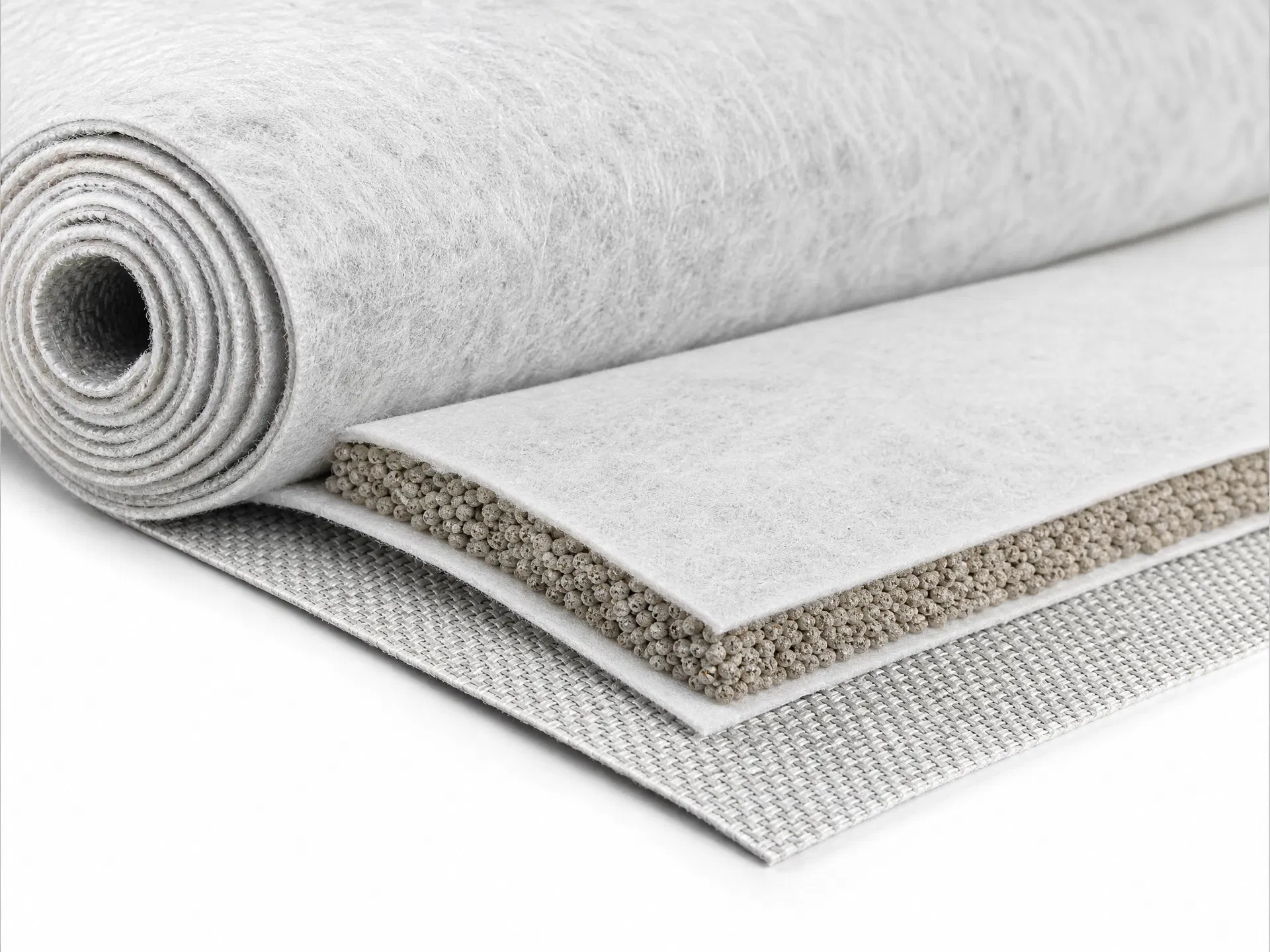
Application of Siemens PLCs in GCL Production Lines: Why Control System Quality Is Critical for Consistency
This article examines how Siemens PLCs power GCL production lines to raise efficiency and ensure quality. It explains PLC–HMI synergy, recipe management, diagnostics, data logging, and remote monitoring, and offers a brief China–Europe PLC comparison. Qingdao Looking Forward New Material Technology Co., Ltd. delivers advanced GCL solutions worldwide.
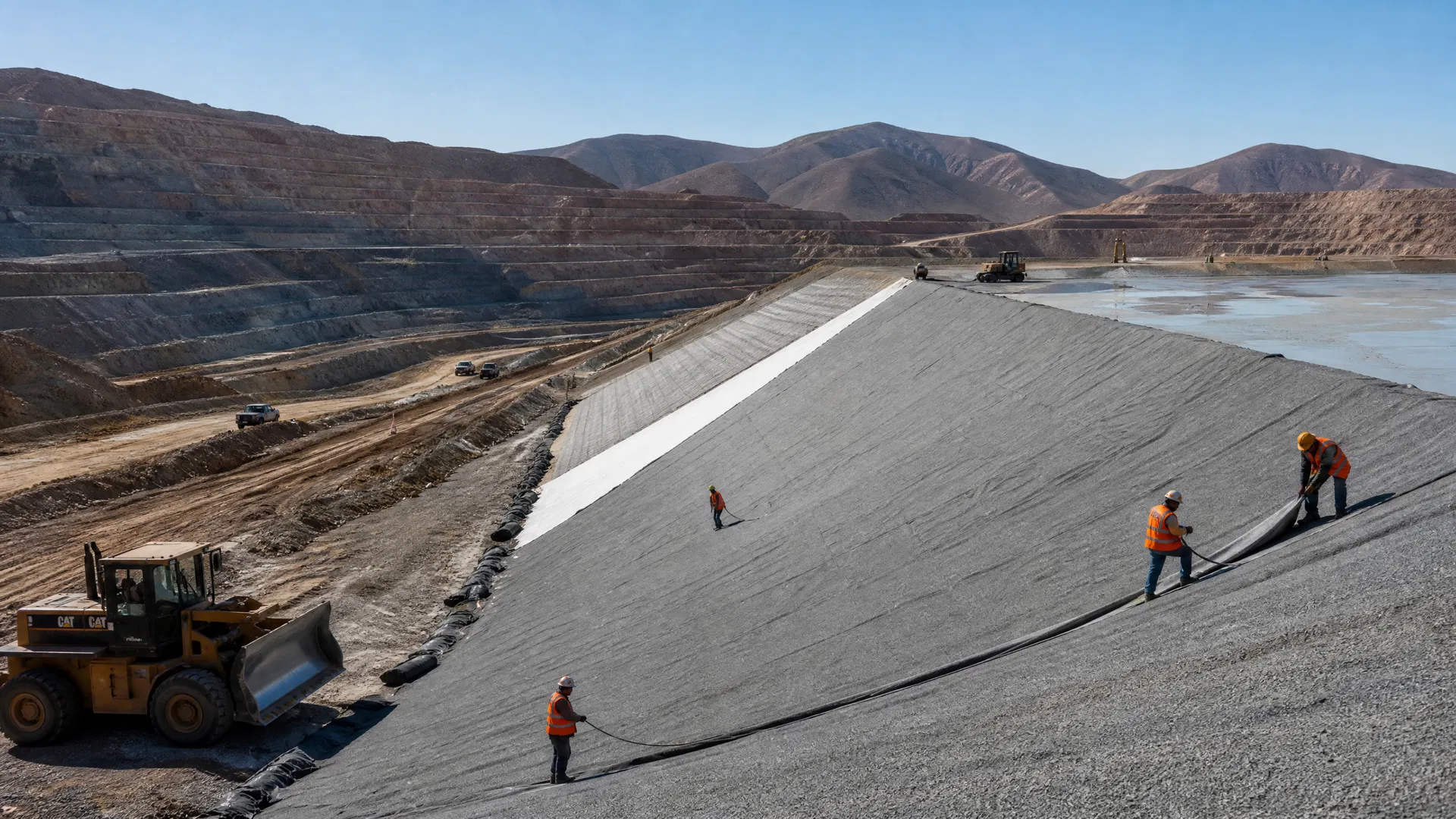
How Needle Density Affects GCL Product Quality: A Technical Deep Dive for Production Line Buyers
Needle density of GCL is a key factor affecting product quality. This article examines in depth how needle density influences GCL peel strength and tensile strength, and provides insights for optimizing production processes. Qingdao Looking Forward New Material Technology Co., Ltd. is committed to delivering high-quality GCL production line solutions.
How to Produce High-Quality GCL with Stable Bentonite Distribution: Machine Settings and Best Practices
This article examines how precise machine settings and best practices ensure GCL products meet the highest quality standards and achieve stable bentonite distribution. Topics include metering system calibration, spreader optimization, quality verification and production records, and continuous improvement best practices.
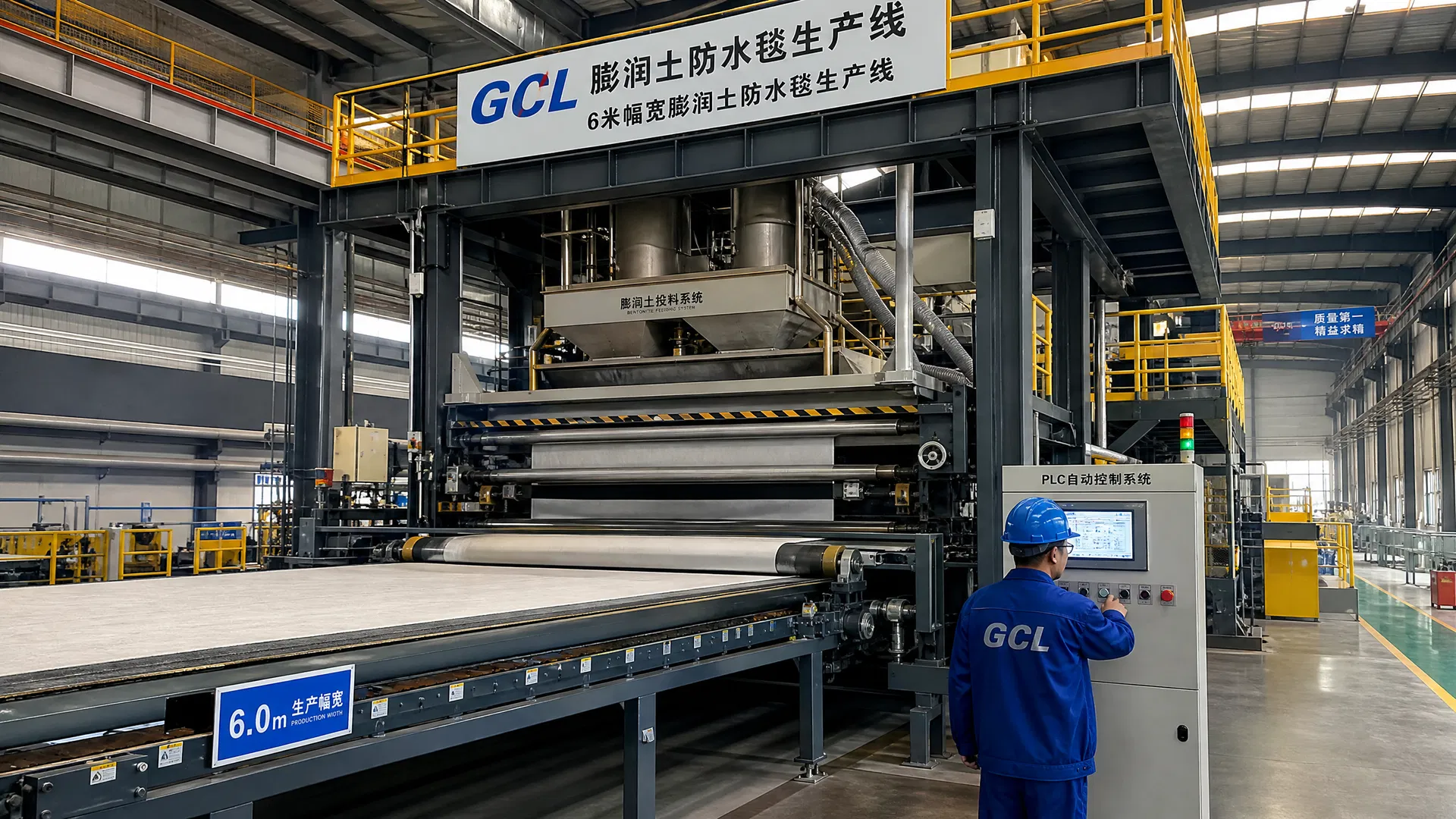
GCL Manufacturing Process: From Bentonite Feeding to Finished Roll
Discover the detailed engineering and mechanical steps involved in the geosynthetic clay liner (GCL) manufacturing process, covering geotextile unwinding, uniform sodium bentonite distribution, precision needle punching, reinforcement, thermal treatment, trimming, and final roll packaging for civil and environmental engineering applications.
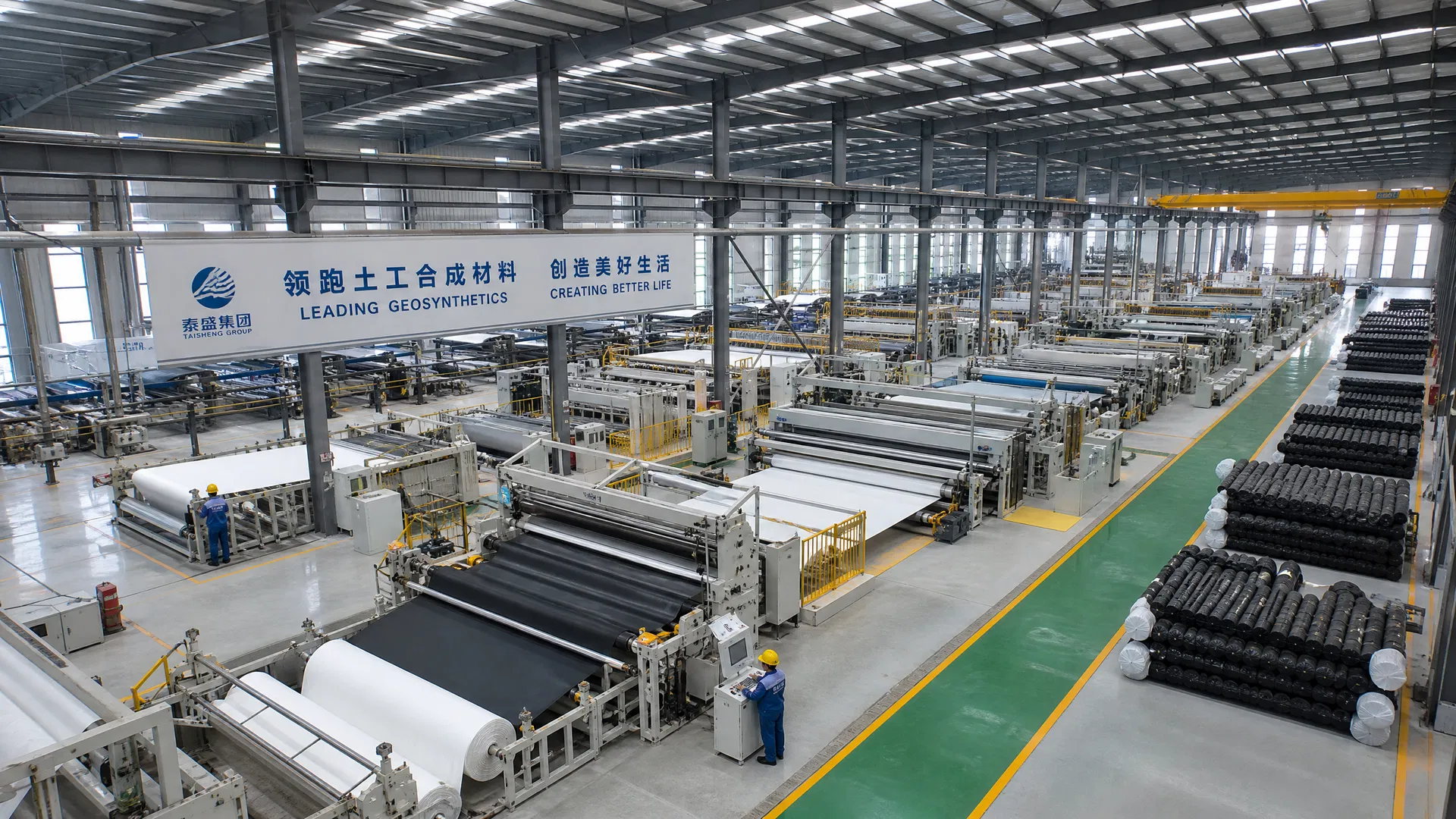
Needle-Punched vs Stitch-Bonded GCL: Production & Selection
Explore the comprehensive structural and processing differences between needle-punched geosynthetic clay liners and stitch-bonded GCLs, examining their industrial manufacturing methods, mechanical properties, internal shear strength behavior, and critical engineering selection criteria for modern environmental containment projects worldwide.