
GCL & GCCM Technical BlogPage 7
87 English-language technical articles, buying guides, application references and market analysis for GCL and GCCM equipment buyers worldwide.
Showing 12 of 87 articles
Archive: Page 7 of 8
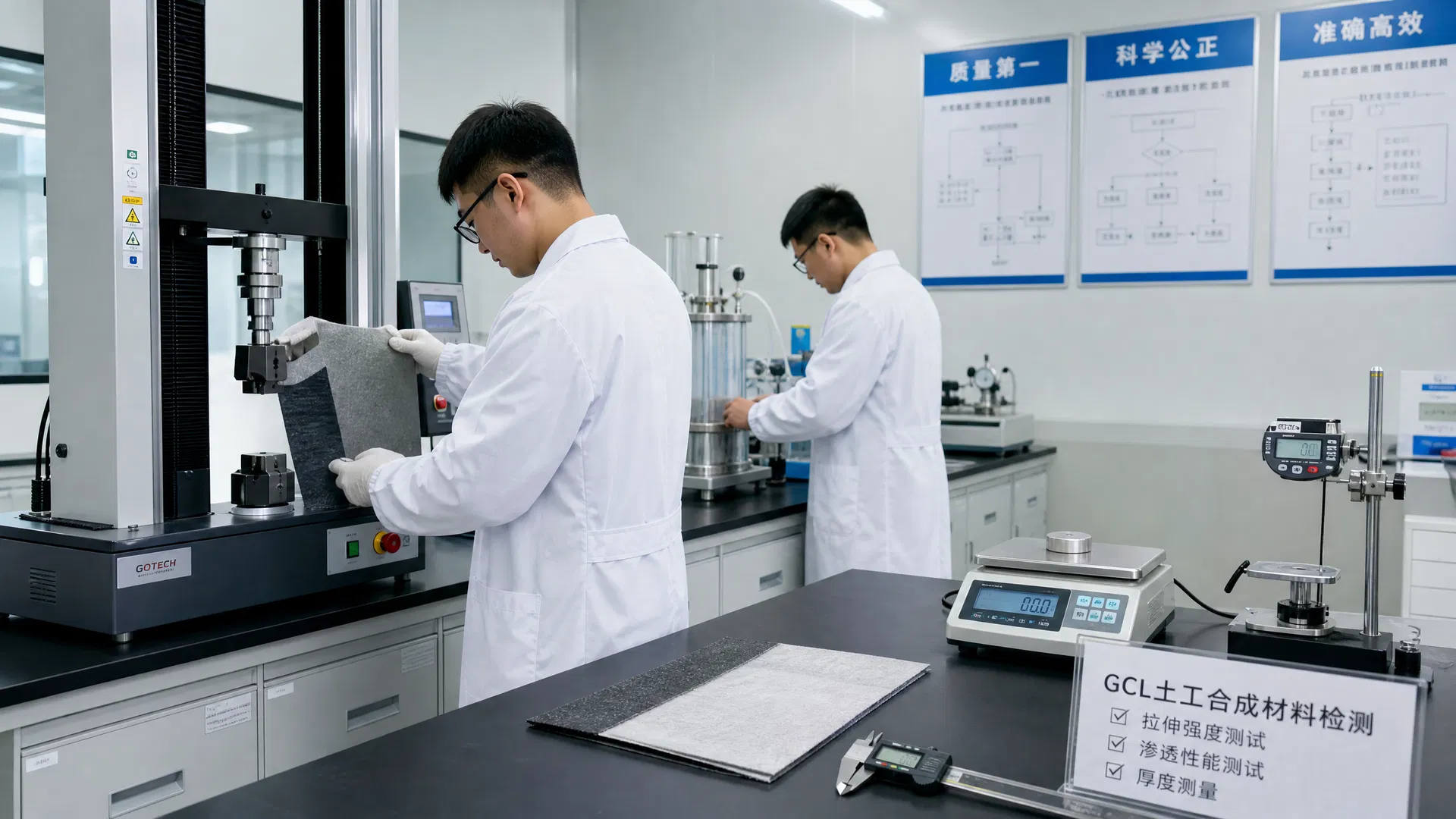
GCL Hydraulic Conductivity Explained: Permeability & Testing Principles
Discover how GCL hydraulic conductivity dictates performance as an elite water barrier, exploring sodium bentonite swell properties, standardized testing principles, gradient effects, and key manufacturing factors for reliable geosynthetic clay liners across civil and environmental engineering projects.
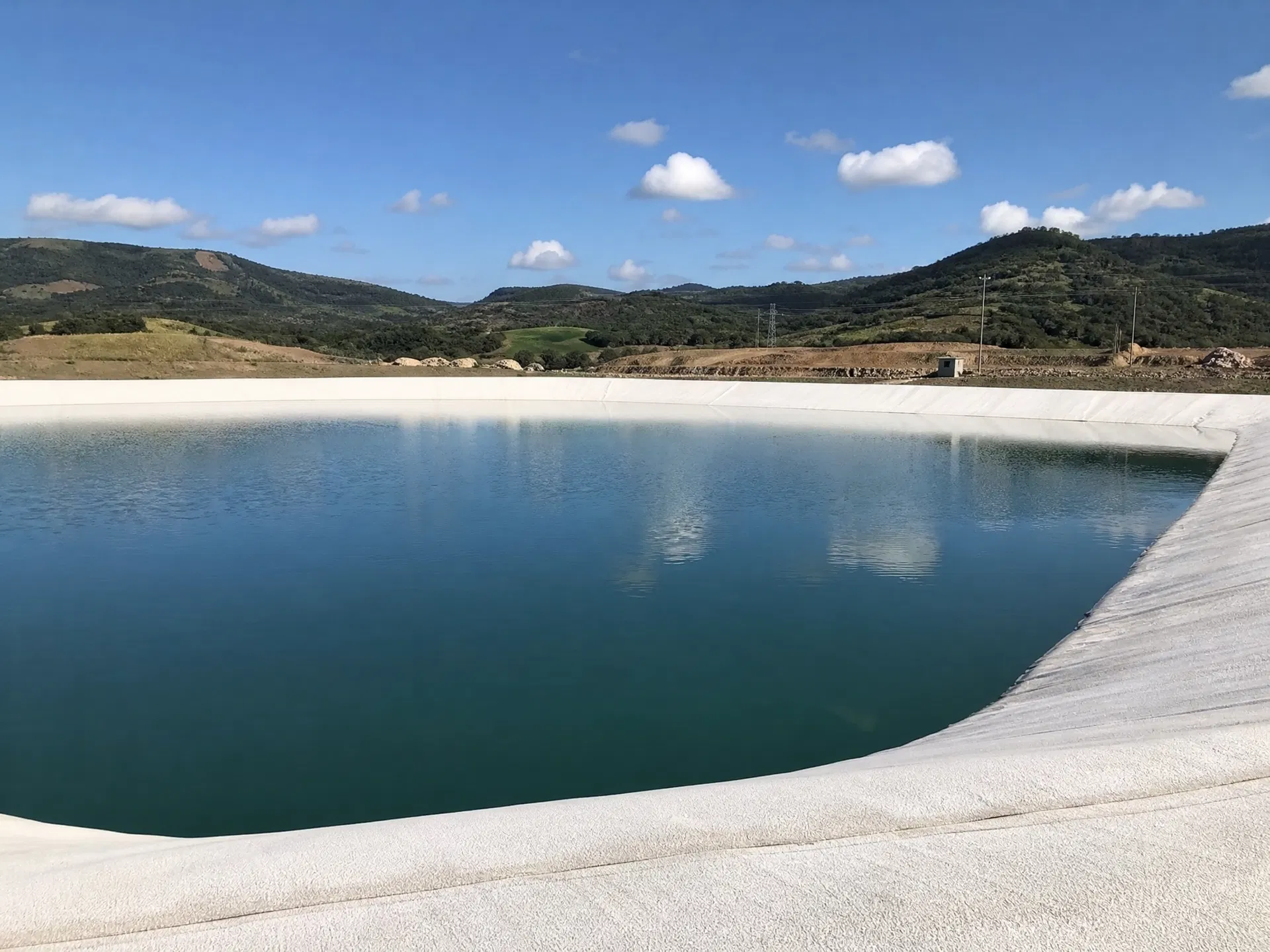
GCL Swell Index Explained: Bentonite Performance & Quality
Explore the GCL swell index test for sodium bentonite, examining in detail how free swell volume relates to hydraulic containment performance and why engineering teams must combine free swell metrics with permeability, mass per unit area, and mechanical strength checks.
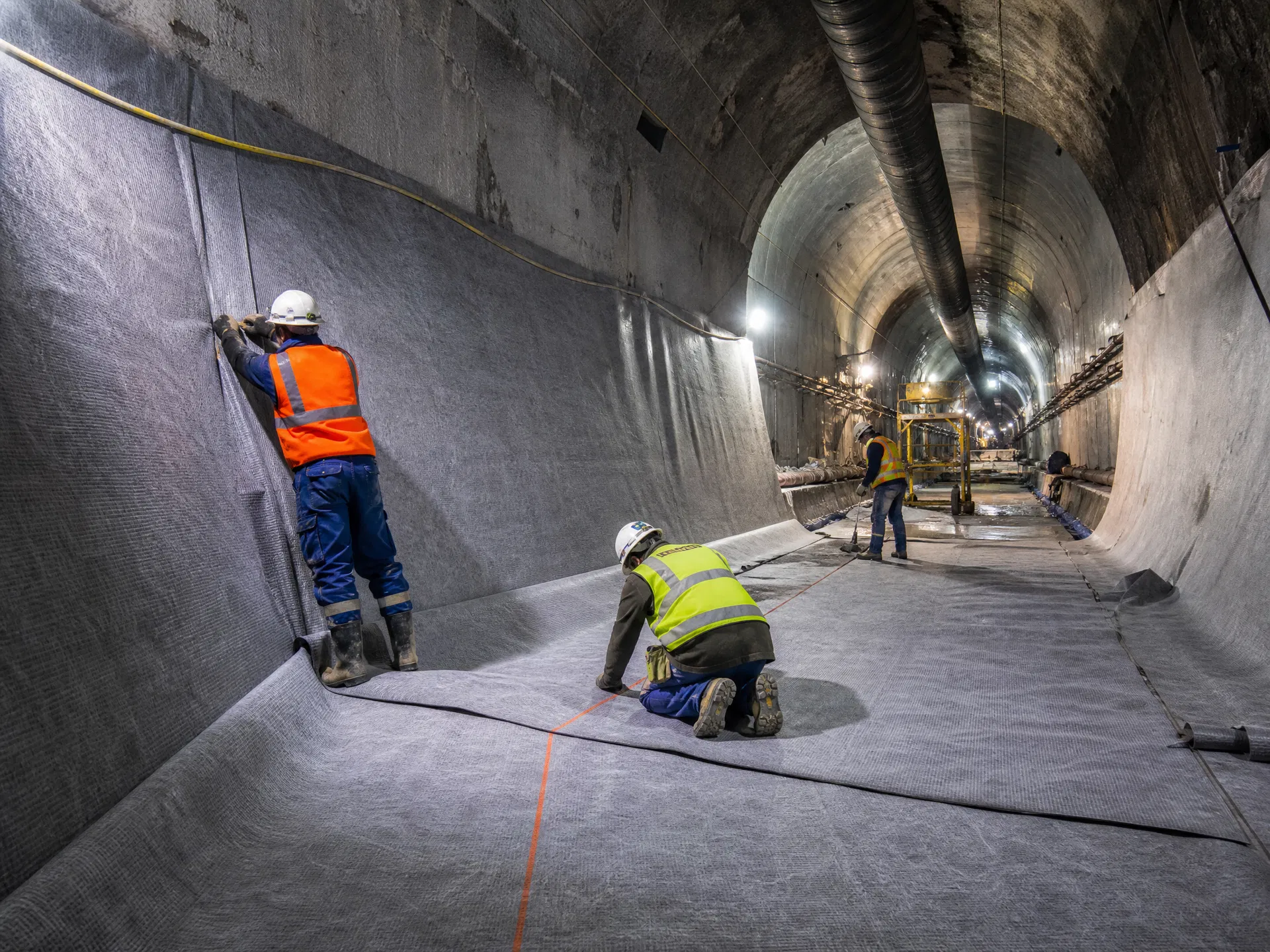
GCL Installation Guide: Geosynthetic Clay Liner Best Practices
This comprehensive GCL installation guide covers essential engineering practices for geosynthetic clay liners, detailing subgrade preparation, panel positioning, overlap seam management, weather safety precautions, and rigorous quality assurance protocols required for successful environmental and civil containment projects worldwide.
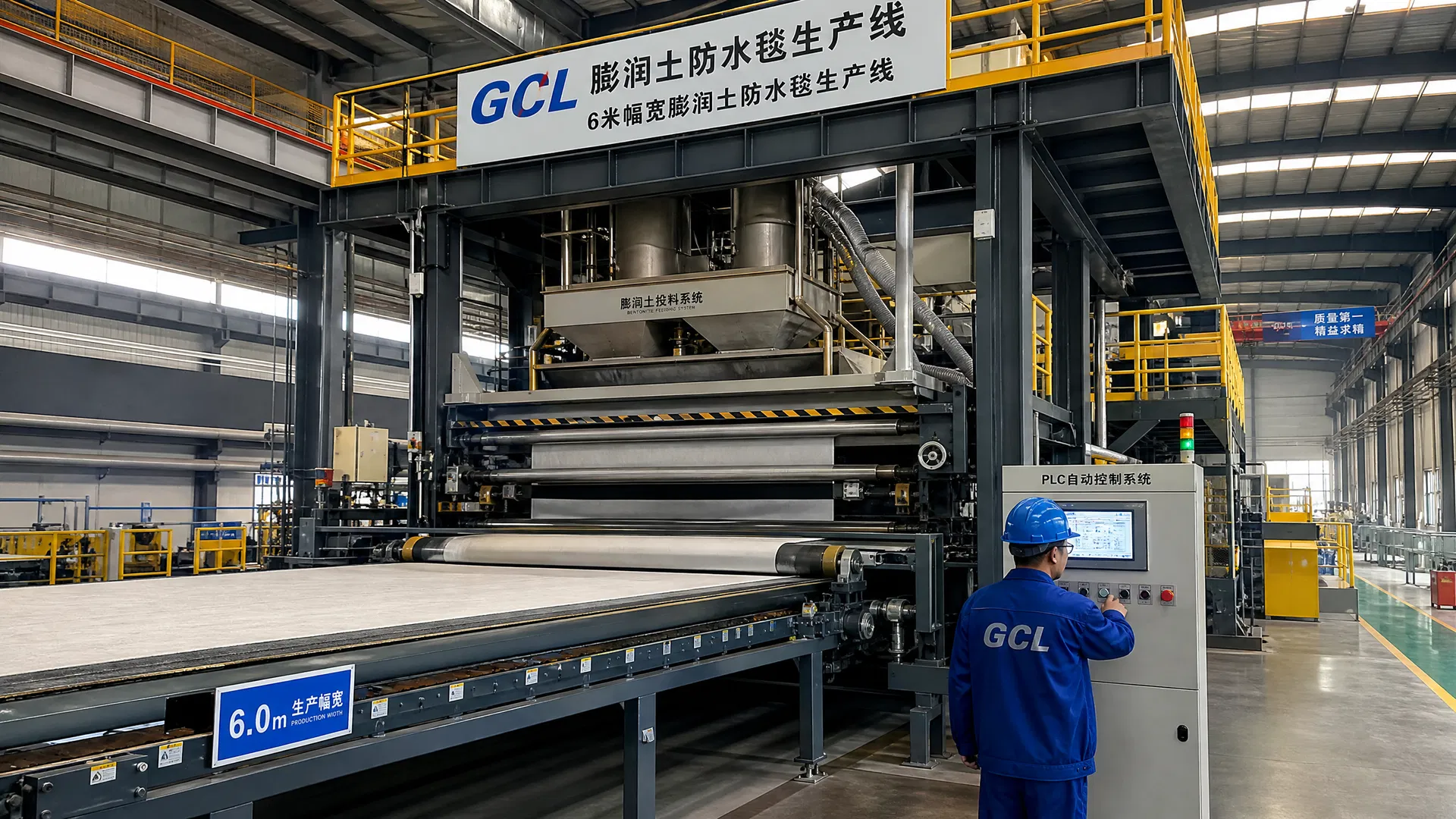
GCL Production Line Cost Guide: Investment & Equipment Drivers
Explore the essential engineering and economic cost drivers of geosynthetic clay liner production lines, from nominal working width, line speed, and needle density to automation architecture, bentonite feeding precision, and turnkey plant installation for prospective industrial investors and engineering project teams.

What Is GCCM? Geosynthetic Cementitious Composite Mat Explained
Explore geosynthetic cementitious composite mats (GCCMs), widely known as cement blankets, designed for rapid civil infrastructure protection. Learn about their advanced material composition, water hydration principles, core engineering functions, project design limits, and specialized manufacturing technologies for modern geotechnical applications.
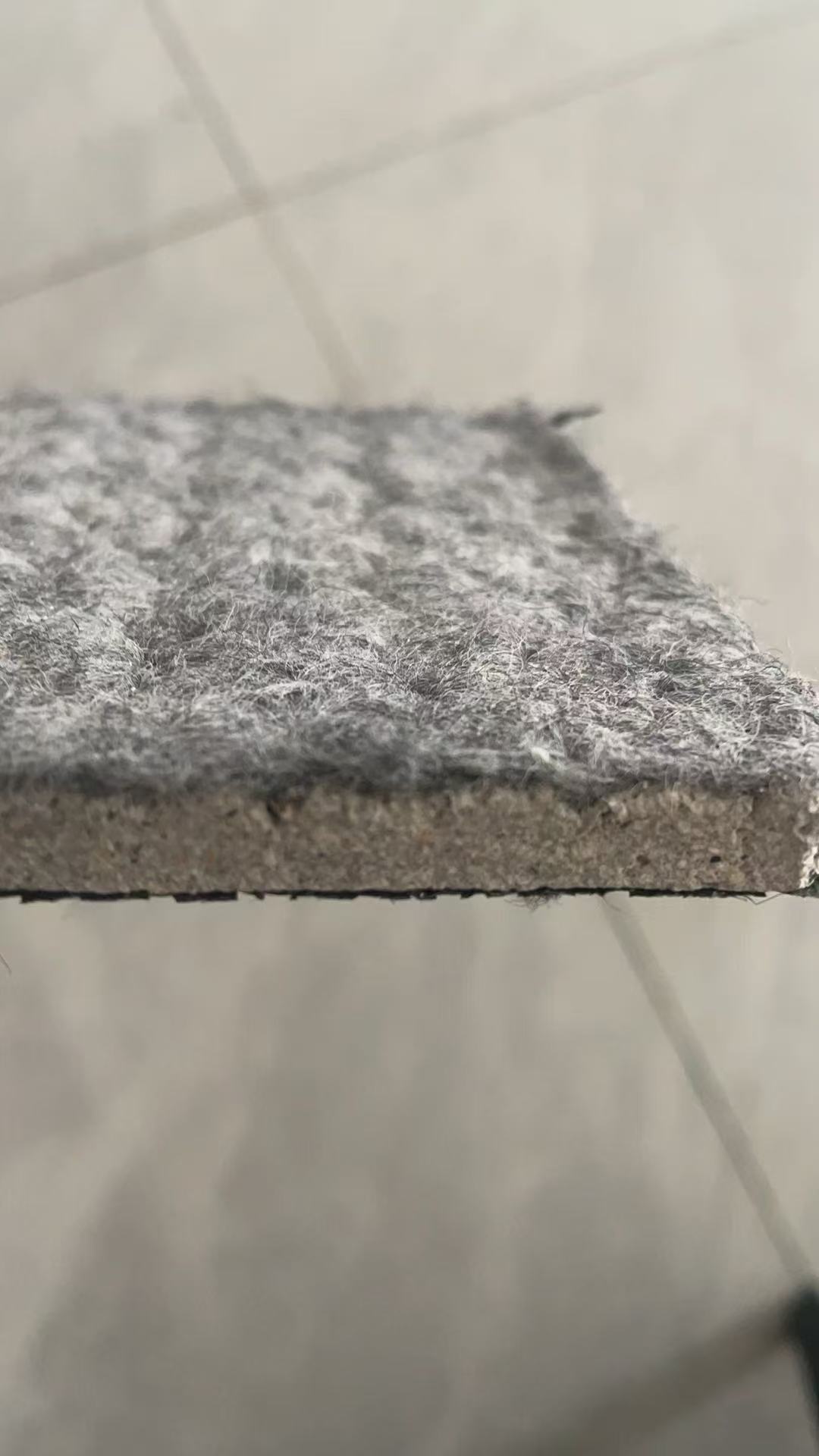
How Does GCCM Work: The Science of Geosynthetic Cementitious Composites
Discover the operational mechanics of geosynthetic cementitious composite mats, exploring how flexible dry geosynthetic composites achieve rapid hydration, structural curing, and durable surface protection for ditches, slopes, and containment applications across civil and environmental engineering projects.
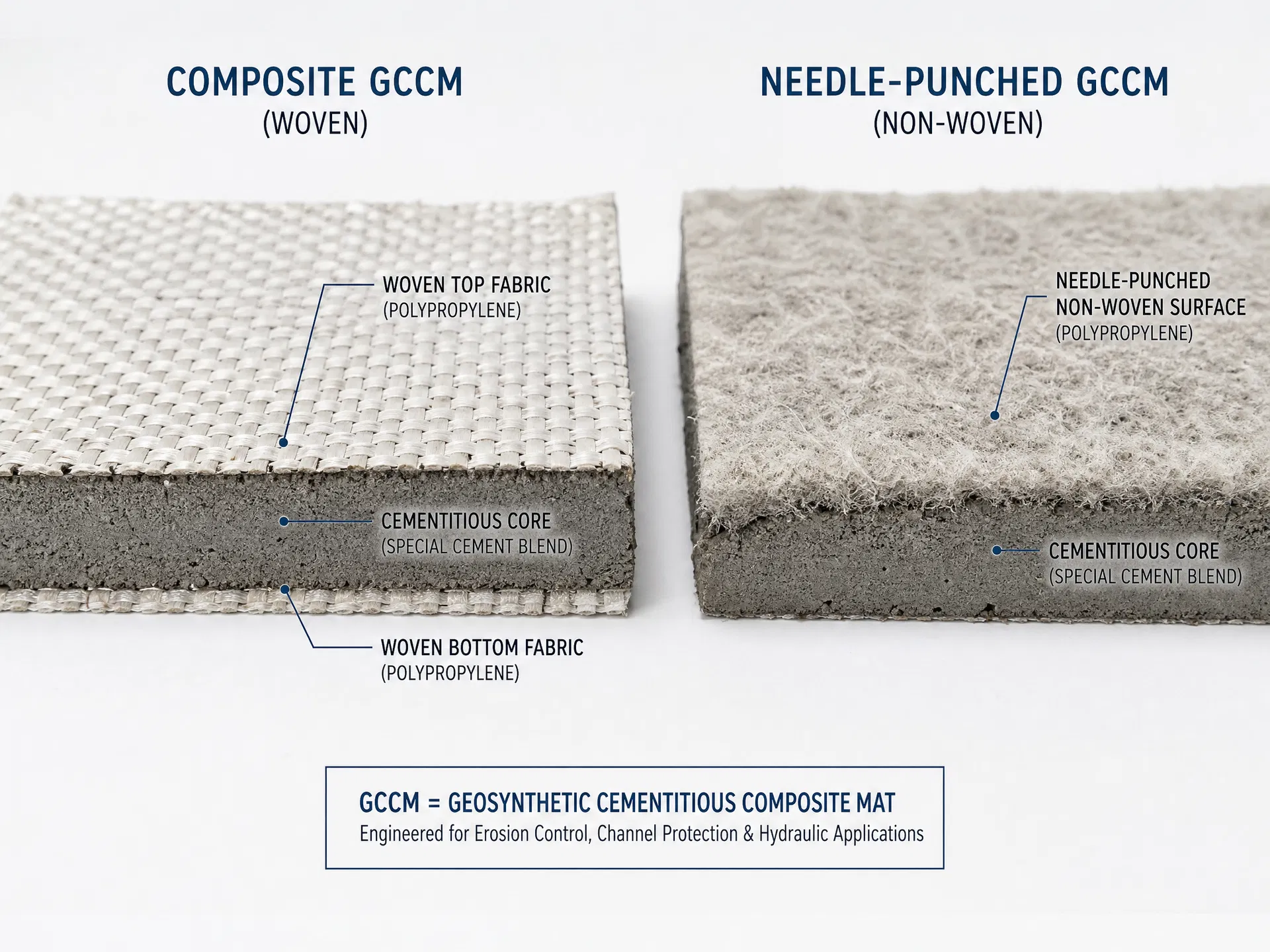
GCCM Materials and Structure: Understanding Cement Blanket Layers
Discover the comprehensive engineering composition of Geosynthetic Cementitious Composite Mats (GCCMs), detailing composite woven and needle-punched layer architectures, dry cement mix placement, multi-layer reinforcement fabrics, and core structural design principles across various civil engineering and slope protection sectors.
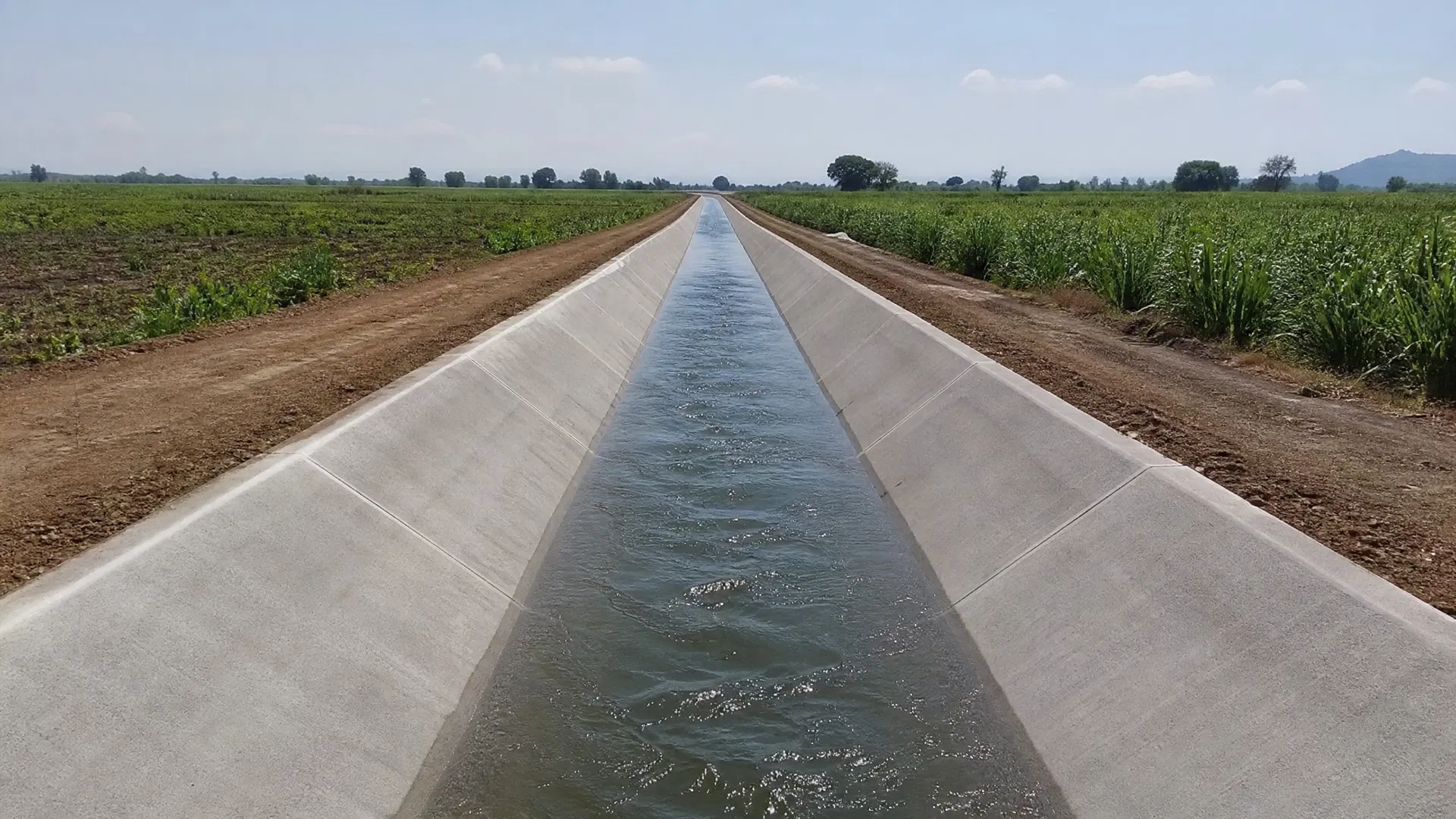
GCCM Manufacturing Process Explained: Production Line Guide
Explore the comprehensive industrial GCCM manufacturing process for geosynthetic cementitious composite mats, detailing every mechanical stage from raw fiber and cementitious powder feeding to final roll consolidation, precision inspection, and protective packaging for civil infrastructure projects.
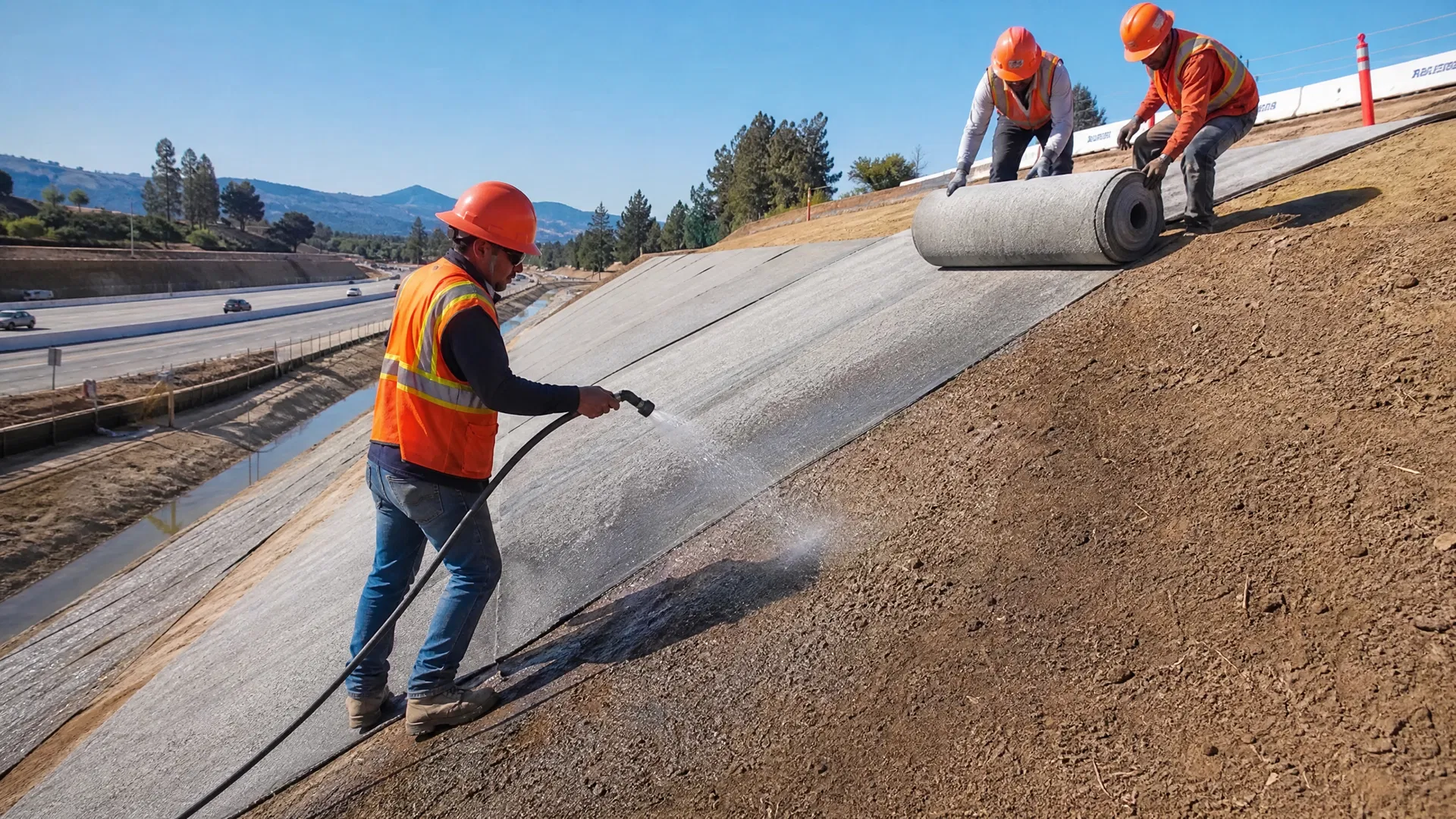
GCCM Production Line Explained: Cement Blanket Manufacturing Equipment
Discover how a modern GCCM production line operates, from raw material unwinding and dry mortar blending to precise needle punching and curing systems. This comprehensive overview examines critical machinery function blocks, engineering design choices, and equipment configurations for cement blanket manufacturing plants.
GCCM Hydration and Curing Process: Field Activation Guide
Master the essential GCCM hydration and curing process for successful cement blanket installations. This technical guide examines jobsite spray-water activation methods, laboratory preparation protocols, cement hydration chemistry, project documentation requirements, and quality control standards for engineering professionals and investors.
GCCM Flexural Strength Explained: Testing and Performance
An in-depth technical guide to understanding geosynthetic cementitious composite mat flexural strength, exploring essential laboratory testing methods, rigorous specimen preparation techniques, and how advanced manufacturing line configurations directly influence structural bending performance across diverse civil engineering infrastructure applications.
GCCM Installation Guide: Site Preparation to Curing
This comprehensive technical installation guide outlines essential engineering procedures for deploying Geosynthetic Cementitious Composite Mats (GCCMs) across civil engineering projects. It covers subgrade preparation, mechanical anchoring, edge overlapping, controlled hydration, curing, and thorough quality inspection to guarantee durable structural and erosion control outcomes.
Get Your Custom GCL or GCCM Production Line Quote
Tell us your target product, production width, capacity requirements, and market. Our engineers will respond with a tailored technical and commercial proposal.